Skip Navigation
Volunteer The Hague Home
  • Events & Workshops
  • News
  • Volunteer The Hague Talks
Create accountLog in

Contact

  • Riviervismarkt 2, 2513 AM The Hague, Netherlands
  • service@volunteerthehague.nl
  • 070 - 302 44 44
Volunteer The Hague

Volunteer The Hague

  • About us
  • Contact us
  • For volunteers
  • For organizations
  • Den Haag Doet
  • Den Haag Doet Academie

Join

  • Opportunities
  • Discover Organisations
  • Create organisation
  • Create account
  • Login
  • Help
  • Policies
  • Privacy Policy
  • Terms

Powered by Deedmob tools (opens in a new window)

Post | September 2026 | 1 min read

Presentation at PEP Den Haag on Praat Nederlands Day

Written by

Lucie Cunningham
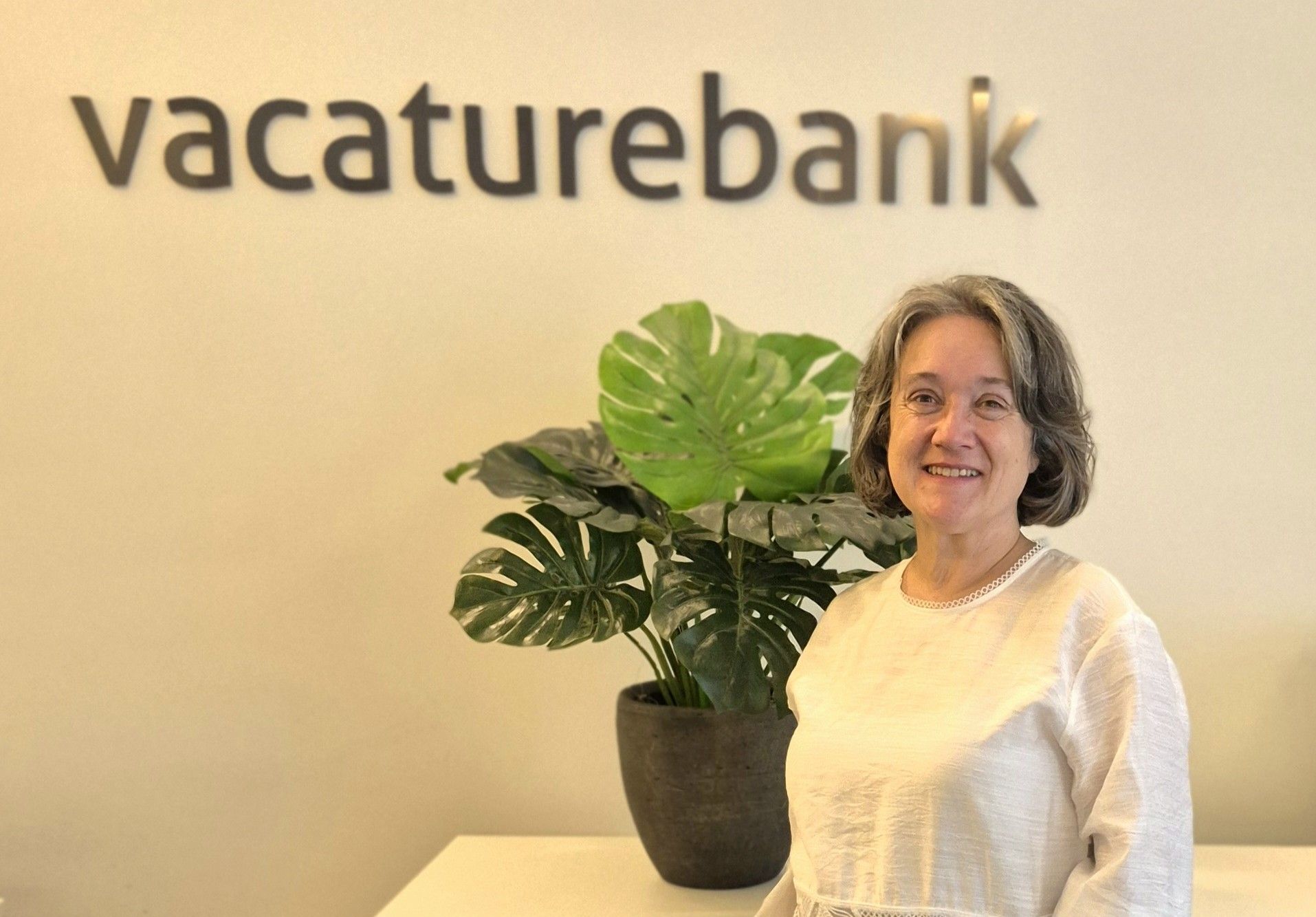
Lucie Herraiz Cunningham at PEP Den Haag in The Hague

On Thursday, 26 November 2026 The Hague International Centre organises a range of activities for Praat Nederlands Day. Volunteer The Hague is giving a presentation about how to find opportunities to practice and improve your Dutch beyond the classroom.

📅 Thursday, 26 November 2026

🕔 18:45–20:45

📍 More information: PEP Den Haag, Riviervismarkt 2, 2513 AM

Volunteer The Hague Communications Advisor, Lucie Herraiz Cunningham, moved to the Netherlands in 2003. She is French and also works as a language instructor. She learnt Dutch right away but still found that taking an intensive Dutch NT2 course was not enough to be confident understanding and speaking Dutch.

She will share some practical tips on how to learn and practice Dutch beyond the classroom. Learning does not to have be boring, the secret is regular short moments of practice in your weekly or daily routine. Intrigued? Join us at PEP Den Haag and share what has been working for you too.

The door opens at 18.45. The presentation starts at 19.00 and is followed by networking.

Drinks and light snacks will be served.

Register
Share Post
Related Posts
Are you new in The Hague? Do you want to get to know other newcomers and get useful information from The Hague International Centre? Then Welcome to The Hague event organized by our friends at The Hague International Centre is for you! At this event, you will learn about the rich history of The Hague and discover the essential steps to help you settle in comfortably. This event is hosted in the central library; the ideal place to expand your social network in the region!    Learn more about:   Settling in and making The Hague your home with valuable insights and tips for a smooth transition   Discover The Hague's culture, events, and museums  How to build your network  The vibrant history of The Hague And much more!   Date: Thursday, 6 March 2024  Time: 18:00hrs to 20:00hrs (CET). Doors open from 17:30hrs  Location: Centrale Bibliotheek Den Haag (Central Library The Hague), Podium B, 5th floor, Spui 68, 2511BT The Hague

Welcome to The Hague Event - 18:00 - 20:00 on 10 September 2026

Are you new to The Hague and curious to meet other newcomers? Join us for our Welcome to the Hague event on Thursday, 10 September 2026! This is the perfect opportunity to discover your new city, and connect with other newcomers while receiving practical information about life in The Hague. During the event, we will delve into the rich history of The Hague, and highlight the Dutch culture and habits. This event will start in the central library, then we will take you on a guided tour through The Hague historical centre. The evening ends with drinks and snacks at the Dutch Language Cafe (Herengracht). Learn more about: Settling in and making The Hague your home with valuable insights and tips for a smooth transition; The Hague's vibrant history; The Dutch culture and habits, in daily life but also at work; Discovering The Hague's culture, events, and museums;  Building your network. Date: Thursday, 10 September 2026 Time: 18:00 to 20:00 (CET). Doors open from 17:30 Location: Centrale Bibliotheek Den Haag (Central Library The Hague), 5th floor, Spui 68, 2511BT The Hague
See more
Renata Castello Branco de Mello Bastos is a young marketing professional who moved to The Hague from Brazil. She is now a volunteer social media manager at PEP Den Haag for their Volunteer The Hague programme. She has always enjoye dvolunteerign and is excited to promote volunteering to the international community in The Hague, knowing that it will help them feel at home and meet new people while supporting great causes..

Volunteer Interview: Renata Castello Branco

Renata Castello Branco is originally from Brazil. She recently moved to The Hague to experience living in Europe and immersing herself in a new culture. She joined Volunteer The Hague online to meet people from different backgrounds and explore new places. Volunteering has always been something she has enjoyed doing. Joining the VTH team felt like the perfect opportunity to becoming part of the local community. Which organisation do you volunteer for? What is their mission? I volunteer for PEP Den Haag as a Social Media Manager for their Volunteer The Hague programme. Volunteer The Hague's mission is to connect volunteers with non-profit organizations, to help create a stronger, more connected, and more inclusive community in the city. The platform supports hundreds of organizations working in areas such as social inclusion, education, elderly care, sustainability, culture, and community development. What volunteer role did you have and what tasks did you perform? I manage Volunteer The Hague's Instagram, LinkedIn, and Facebook accounts. My responsibilities include creating content, planning social media campaigns, promoting volunteer opportunities, and helping tell the stories of volunteers and organizations across the city. It takes about 4 hours a week of my time. What were your goals when you first decided to volunteer? My goals were to connect with new people, better understand the Dutch working environment, and contribute through a role related to my professional background in marketing and communications. More than anything, I wanted to feel like I belonged here. Volunteering seemed like the best way to become part of the local community rather than simply living in the city. What have you been enjoying in your current volunteer role? Volunteering has exceeded my expectations. I love knowing that my work helps connect people with meaningful opportunities to make a difference in someone else's life. It's rewarding to use my professional skills for a social purpose while also learning from people with different backgrounds. I've also met wonderful people, learned more about Dutch culture, and genuinely feel much more connected to The Hague. It has made the city feel like home much faster than I expected. What kind of volunteering did you do in your home country? I previously volunteered in Jardim Gramacho, a very underprivileged community in Rio de Janeiro. During an Easter event, we organized activities for the children and distributed chocolate Easter eggs. Jardim Gramacho was once home to the largest open-air landfill in Latin America, and many families still face significant social and economic challenges. Because of this, initiatives that provide activities for children, as well as access to food and clean drinking water, can make a meaningful difference in the community. I regularly helped with distributing food and raising donations for homeless people. Photo credit: Renata Castello Branco What is typical of your own culture (values, mindset) that you bring to your volunteer role? I believe I bring the warmth and openness that are characteristic of Brazilian culture. Empathy, building meaningful relationships, making people feel welcome, and helping others without expecting anything in return are values that are very important to me. I enjoy connecting with people and creating a positive environment wherever I volunteer. Have you ever learnt something from volunteering that became useful for your studies or paid work? Absolutely. Volunteering has strengthened both my professional and personal skills. I've learned to adapt my communication to a different culture, become more resilient, and better understand diverse audiences. It has also reinforced an important lesson: you never know what someone else is going through, so kindness, empathy, and avoiding judgment should always come first. These lessons are valuable in both my professional career and my personal life. What have you found challenging? One of the biggest challenges has been understanding how Dutch audiences engage with online content. Social media habits and communication styles are quite different from those in Brazil. At first, it took time to understand what resonates with local audiences and how to create content that feels authentic and relevant. However, this challenge has also been a valuable learning experience and has helped me grow professionally. Volunteering has exceeded my expectations. What piece of advice would you give to potential volunteers about how to find a suitable volunteer role? My advice is to go to VTH's volunteer vacancy platform, do the talent scan and choose a role that genuinely interests you and matches your skills or passions. There are so many opportunities available that everyone can find a way to contribute.
See more
Do you live in The Hague as an international and want to acquire some basic Dutch or improve your existing Dutch? Volunteering a great way to practrice comprehension, small talk and better understand local culture.

How to learn Basic Dutch through volunteering in The Hague

Ask anyone who has tried to learn Dutch in a classroom, and they'll tell you the same thing: the textbook takes you only so far. You can memorise verb conjugations and drill vocabulary for months, but the language stays flat and distant until you use it with real people, in real situations, about things that actually matter. This is where volunteering quietly does what no course can. In The Hague, offering your time is one of the most natural and rewarding ways to grow into the language and the culture, even if you begin without speaking a word of Dutch. You can start in a language you already have by joining the free Volunteer The Hague volunteer pool! One of the biggest fears that newcomers carry is that they can't contribute until their Dutch is "good enough." The reassuring truth is that you don't have to wait. The Hague is one of the most international cities in the Netherlands, home to embassies, international courts, expats, and organisations that work across many languages. Plenty of volunteer roles are carried out in English, or in whatever language you and the people around you share. This is why Volunteer The Hague was created, to empower people who speak other languages than Dutch to find volunteer vacancies that require no fluency in Dutch. Starting in another language isn't a compromise, it's a doorway. It lets you become useful and connected from day one, while Dutch slowly builds in the background. You show up, you help, you belong, and the language follows. Fluency grows through repetition and context What makes volunteering such a powerful teacher is that it surrounds you with the same words, phrases, and rhythms again and again. If you help in a community kitchen, you'll hear how people greet each other, ask for the salt, and say goodbye, every single week. If you sort donations at a charity shop or help at a neighbourhood centre, you pick up the practical vocabulary of everyday Dutch life: numbers, directions, small talk, polite requests. This is language learning with context attached. Instead of memorising a list of words, you learn them tied to a moment, a person, a task. That's how the brain actually holds on to a language. Over time, the Dutch you hear stops being noise and starts being meaning. You begin to catch the gist, then whole sentences, then you find yourself replying without translating in your head first. Colleagues and the people you serve tend to be patient and encouraging, too. In a low-pressure, friendly setting, you feel safe making mistakes, and mistakes are exactly how fluency is built. A volunteer environment forgives the wrong article or the fumbled word, because everyone can see you're there to help. Reading the unwritten rules Language is only half of fitting in. The other half is culture, the unspoken norms that shape how people behave, and these are almost impossible to learn from a book. Volunteering puts you right inside them. You'll notice how direct Dutch communication tends to be, and learn not to take plain-spokenness as rudeness. You'll see how seriously appointments and agreements are taken, how meetings often start and end on time, and how the famous Dutch calendar culture works in practice. You'll observe the value placed on egalitarianism, that the coordinator and the newest volunteer often speak to each other as equals, and the way decisions are frequently talked through until everyone has had a say. You'll pick up smaller customs too: bringing something to share, the rhythm of coffee breaks, how birthdays are celebrated, and why the whole room might congratulate you when a family member has good news. Absorbing these norms by living them helps you move through daily life in The Hague with far more ease and confidence. A community that carries you forward Perhaps the greatest gift is the network you build. The people you volunteer alongside become a real social circle, and that circle is where the deepest learning happens. They correct you gently, invite you to things, explain the joke you didn't get, and cheer on your first full Dutch conversation. Motivation matters enormously in language learning, and nothing motivates like relationships. When you care about the people around you, you want to understand them, and that desire pulls your Dutch forward faster than any deadline. So don't wait until your Dutch is perfect. Start volunteering in whatever language you have. The fluency, and the sense of belonging, will grow from there. One day when you are much more fluent in Dutch consider applying for volunteer vacancies in our sister volunteer programme Den Haag Doet. Visit Volunteer The Hague’s online volunteer vacancy platform to start your volunteer journey in your new city!
See more