Want to run cultural activities in The Netherlands?
Which legal structure should you pick for your organization?
Which legal structure should you pick for your organization?
If you are planning to start a cultural organisation in the Netherlands, one of the first decisions you will need to make is whether to set it up as a vereniging (association) or a stichting (foundation).
Both structures are widely used in the cultural sector, but they serve different purposes.
A vereniging is a membership-based organisation. It is ideal when you want to build a community around shared cultural interests, such as a theatre group, music society, heritage association, or arts collective. Members have voting rights and play an active role in decision-making through a general members' meeting. This democratic structure encourages participation and shared ownership, but it can also mean that decisions take longer to make.
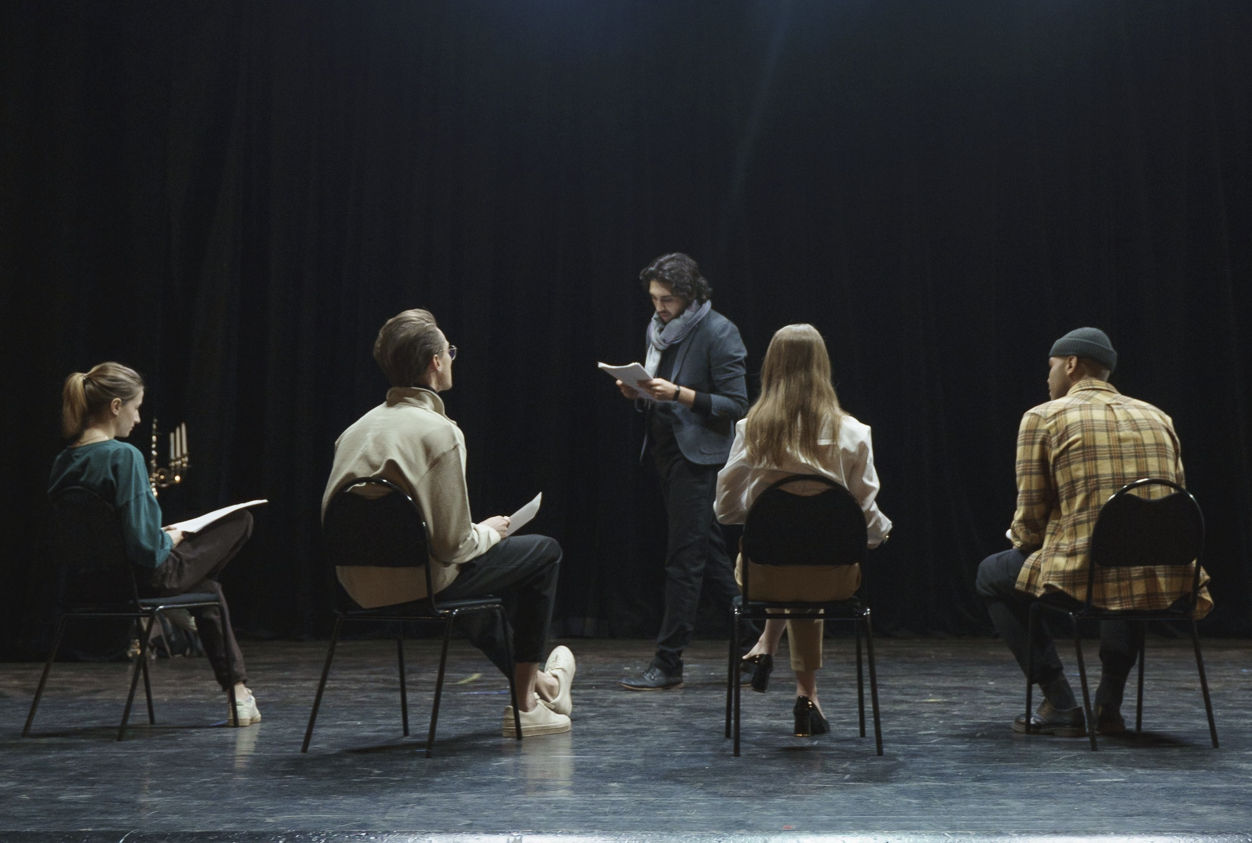
A stichting, by contrast, has no members. It is governed by a board that is responsible for managing the organisation and pursuing its stated objectives. Foundations are often chosen for cultural projects, festivals, museums, or arts initiatives that require a clear management structure. Because decision-making is concentrated in the board, a stichting can often act more quickly and efficiently.

Both legal forms can apply for grants, receive donations, and organize cultural activities. However, the day-to-day running of a vereniging involves engaging members and organising member meetings, while a stichting focuses more on board governance and project delivery.
In short, if community participation and democratic decision-making are central to your vision, a vereniging may be the best choice. If you need a streamlined structure focused on delivering cultural projects, a stichting could be a better fit. Whatever structure you choose, you will need to register them through a notary at your local chamber of commerce.