
Kristin Peters is an American in her 50s, who over the course of her life and career has had the privilege of living in 14 countries across the world. Her partner and she relocated to The Hague about five months ago after the global development and humanitarian organization he worked for was abruptly shut down. Alongside her professional life, volunteering has consistently been how she finds her footing in a new place. Wherever she's lived, getting involved in the local community has given her a sense of purpose, connection, and belonging that is hard to find any other way. When she arrived in The Hague, she started actively looking for meaningful opportunities, and when she came across the Volunteer The Hague event, it felt like exactly the right first step. It was a chance to meet people, discover what her new city has to offer, and find ways to contribute that feel genuinely worthwhile. She is looking for employment as a social worker in The Hague region.
Which organisation did you volunteer for? What is their mission?
I volunteered for Volunter The Hague itself. They help organizations in The Hague recruit international volunteers who live locally and want to make a difference even if they are not fluent in Dutch.
What volunteer role did you have and what tasks did you perform?
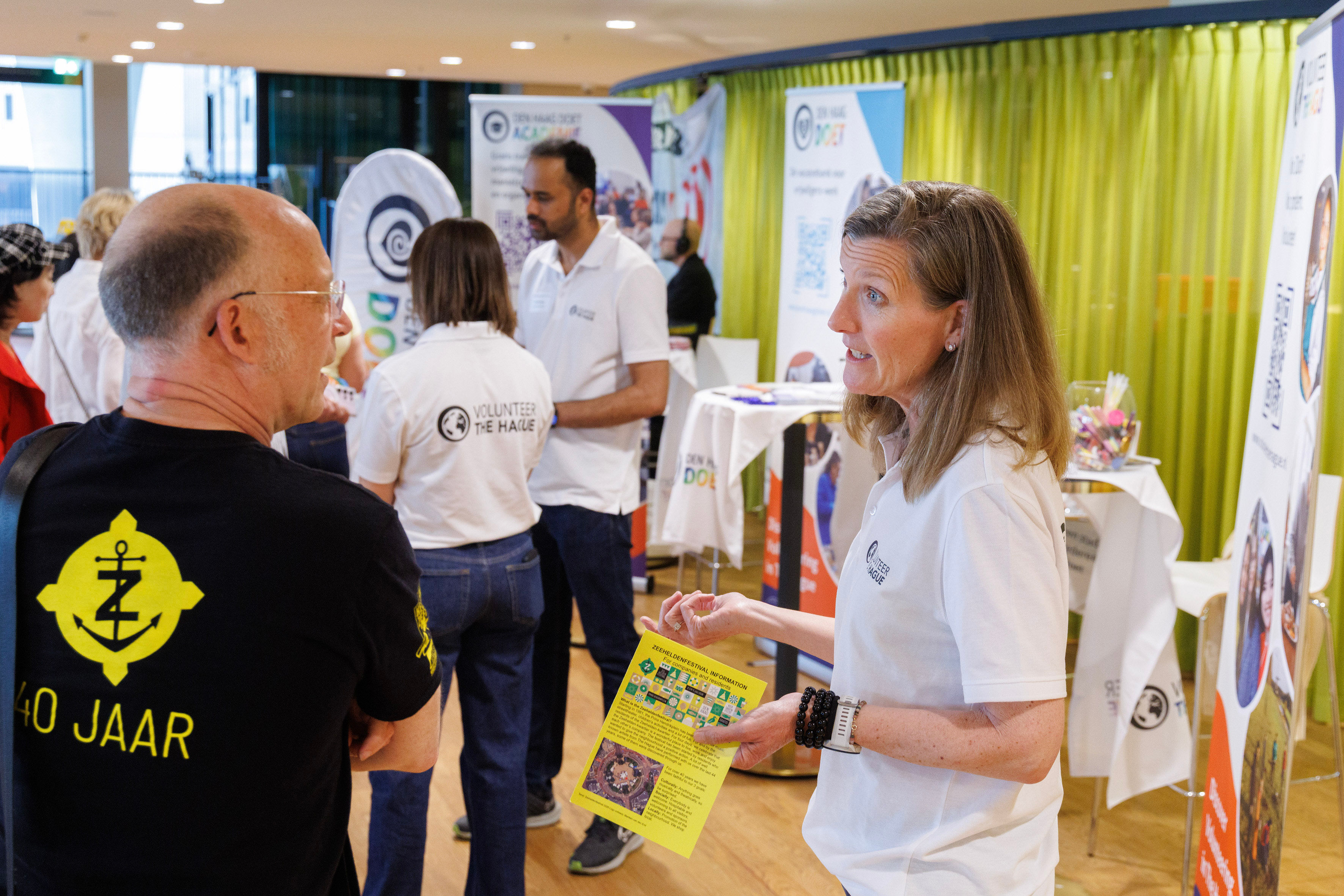
A couple of weeks ago my first volunteer role in the Netherlands was an event greeter at PEP Den Haag's Volunteer Job Fair & Music Festival at Amare. It was a large event that hosted many local organizations and offered diverse options for volunteering. I appreciated the inclusivity, with organizations geared not only towards Dutch speakers, but many opportunities for non-Dutch-speaking volunteers as well.
Greeting visitors at the Volunteer The Hague stand was a wonderful experience. I helped with the practical side of things, including setting up and taking down the stands, getting materials out, and answering questions from visitors, all while working alongside two other fun and interesting volunteers.
The highlight for me was the time I spent with people who were interested in volunteering but weren't sure where to start. I guided them through an online skills questionnaire that helped match them to organizations that aligned with their passions and skill sets. After that, they had the opportunity to visit the stands where organizations had set up more in-depth information about their work and volunteer needs. I genuinely enjoyed those conversations and seeing people get excited when they identified an organization that felt like the right fit.
What is typical of your own culture (values, mindset) that you bring to your volunteer role?
I grew up in Minnesota, in a family where volunteering wasn't something you did occasionally, it was simply part of how you lived. From elementary school onwards, showing up for your community was as natural as showing up for school.
There's something particular to that Midwestern upbringing, a quiet, practical ethic of service, a belief that you roll up your sleeves not because someone is watching, but because it's the right thing to do. That value has traveled with me across every country I have lived in, and shaped my experience in every community I have been part of. Volunteering isn't something I came to as an adult, it's been woven into who I am for as long as I can remember.
Have you ever learnt something from volunteering that became useful for your studies or paid work?
Peace Corps Honduras taught me a great deal about community organizing. Before I had any formal training in social work, I was living in a small Honduran community, learning Spanish, earning trust slowly, and asking questions to understand what people's priorities were, what they actually needed and wanted rather than what I assumed they needed.
I learned that lasting and sustainable change only happens when it is community-led, not imported from the outside. That principle has shaped every professional role I have held since. Whether I was coordinating mobile health clinics in the West Bank, supporting disaster survivors with the Red Cross, or working with vulnerable populations across four continents, I kept coming back to that same foundation: listen first, build trust, and let the community show you where it needs you.
What piece of advice would you give to potential volunteers about how to find a suitable volunteer role?
Start with what makes you feel alive and excited, not just what looks good on paper. The roles that have meant the most to me were the ones where I felt genuinely needed, where my specific skills or experiences filled a real gap. Be honest about what you have to offer, but also about what you are looking for. Volunteering works best when it is a real exchange, you give something and you grow in return. And if a role interests you, don't talk yourself out of it just because you don't tick every box.
Some of my most rewarding experiences came from stepping well outside my comfort zone.
When I began volunteering with adaptive athletes, I was honestly nervous, worried that I might not be enough, that I could let someone down. I pushed through that doubt, and what followed were some of the most meaningful experiences of my life, memories I still carry and friendships that have lasted years. So start with yourself: what excites you, what do you have to give, and where do those two things meet? That is usually where the most meaningful experiences are found, and don't be afraid to step outside your comfort zone to find them.
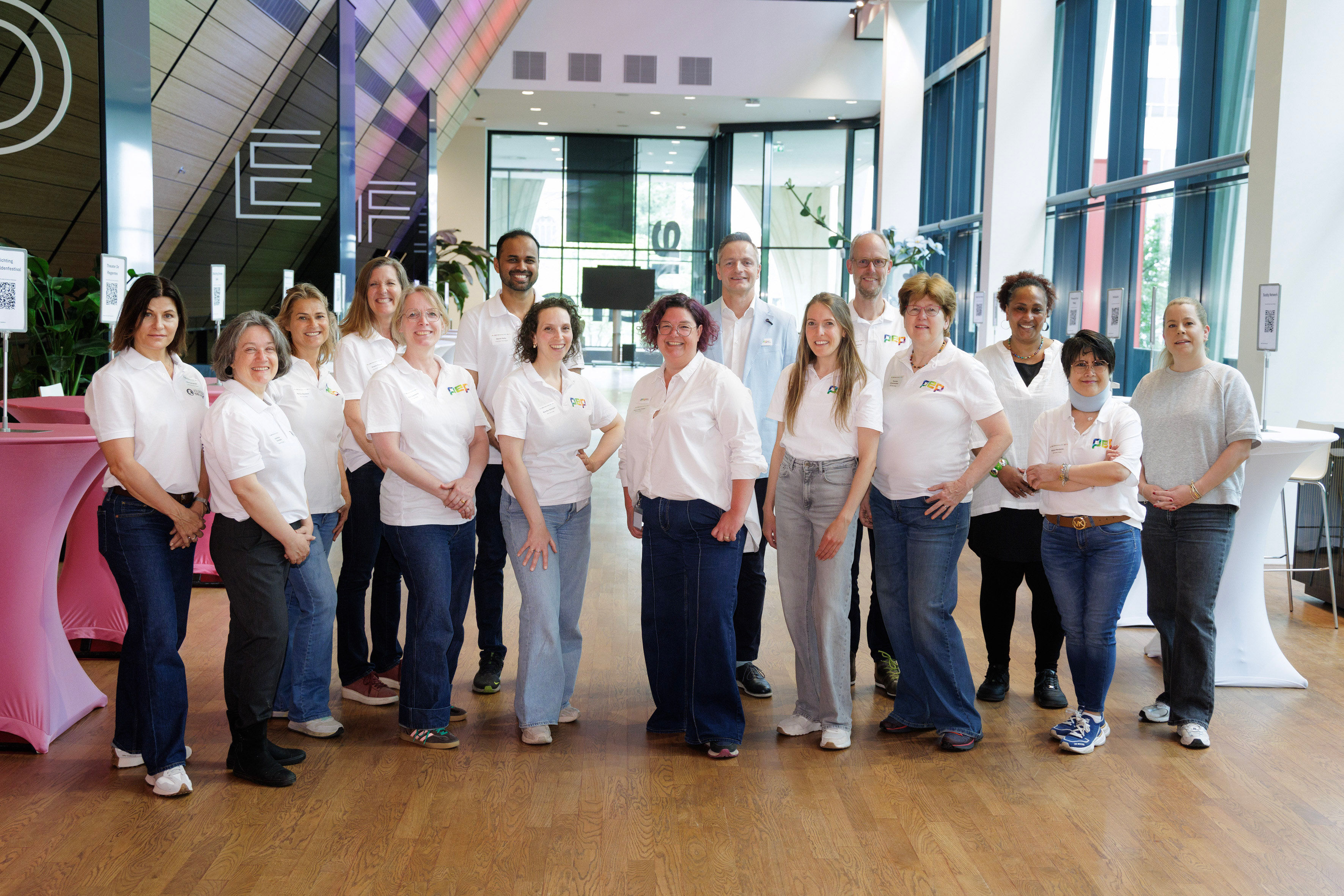
Photo credit Michel Heerkens Fotografie
Related Posts


Lonely Expat? How about volunteer and be happy?!


Building Bridges Through Volunteering: Strengthening Communities in The Hague

